For the first time ever, BOSC will include two panel discussions featuring perspectives from across the open science, bioinformatics, policy, and AI landscapes.
Panel 1: Policies and Strategies for Resilient Open Science
As we gather in Washington, D.C. for BOSC 2026, we stand at the literal and figurative crossroads of the policies that dictate the pulse of our field. For years, the open science community has operated under a steady wind of progress, but the past year has shifted the weather. We have moved from an era of “open by default” to an environment where the infrastructure of open science—funding, federal data repositories, and international collaborations—is increasingly under scrutiny. This panel moves beyond theoretical support for open science to focus on the strategies of resilience and active advocacy required to navigate a landscape that is being rapidly redefined.
The current climate in the United States has seen federal agencies, which are the traditional engines of open research, reorienting under new mandates that prioritize “national interest” and “operational efficiency.” While these shifts have created uncertainty, they have also demonstrated the power of the community; despite early threats of deep cuts, concerted advocacy has kept certain key research budgets remarkably stable. Resilience, therefore, is not just about surviving these shifts; it is about building a proactive presence in the rooms where these decisions are made. We will explore how these domestic tensions mirror global trends, from the rise of protectionist data policies to the decentralized alternatives emerging in the wake of federal volatility.
Our discussion will range from high-level policy to the practical “how-to” of remaining principled and productive, addressing topics that include: the Advantage of Advocacy, Navigating Funding Fragility, Protecting the Digital Commons, and Institutional Fortification.
Panelists
Maryam Zaringhalam
Center for Open Science
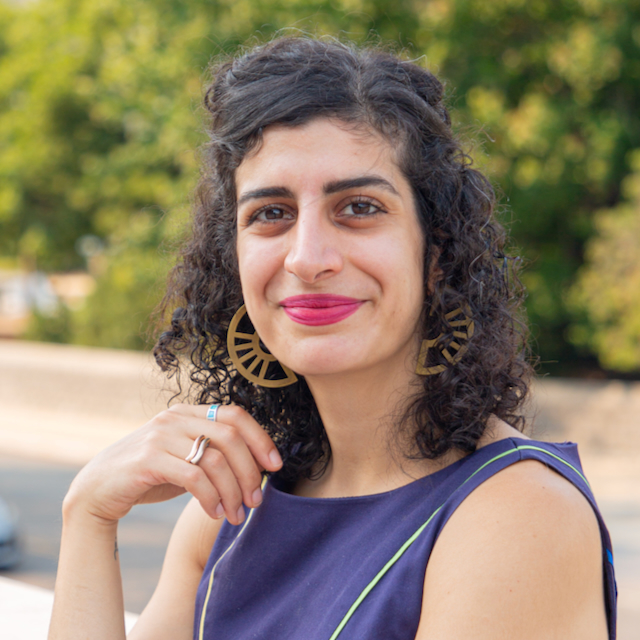
Maryam Zaringhalam, PhD, is the Senior Director of Policy at the Center for Open Science (COS), where she leads strategic policy efforts to improve the openness, integrity, and reproducibility of scientific research. Prior to joining COS, she served as the Data Science and Open Science Officer at the National Library of Medicine (NLM) at the NIH and as the Assistant Director for Public Access and Research Policy at the White House Office of Science and Technology Policy (OSTP), where she oversaw the implementation of the landmark 2022 public access memo and coordinated the 2023 Federal Year of Open Science. A molecular biologist by training, Maryam received her PhD from Rockefeller University. She is also a Senior Producer for The Story Collider, utilizing narrative storytelling to foster community engagement and dismantle barriers to open, inclusive science.
Ann Nowakowski
Sage Bionetworks
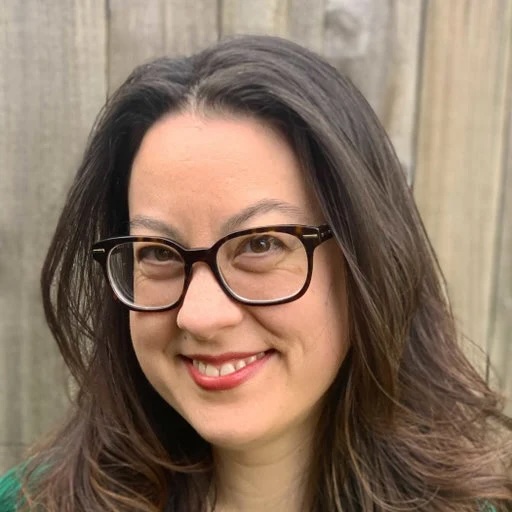
Ann Novakowski, MPH, is Associate Technical Director of Product Strategy at Sage Bionetworks, where she helps translate policy, governance, and community needs into products that support open and responsible biomedical research. Her work spans federated data ecosystems, data access and reuse, digital use conditions, and emerging approaches to AI-enabled research. Drawing on more than 20 years of experience in public health, global health, and research infrastructure, she is particularly interested in how technical systems, governance models, and community practices can work together to make open science more sustainable, trustworthy, and resilient. She holds an MPH from Yale University and a BS in Molecular and Cellular Biology from the University of Arizona.
Mallory Freeberg
EMBL-EBI
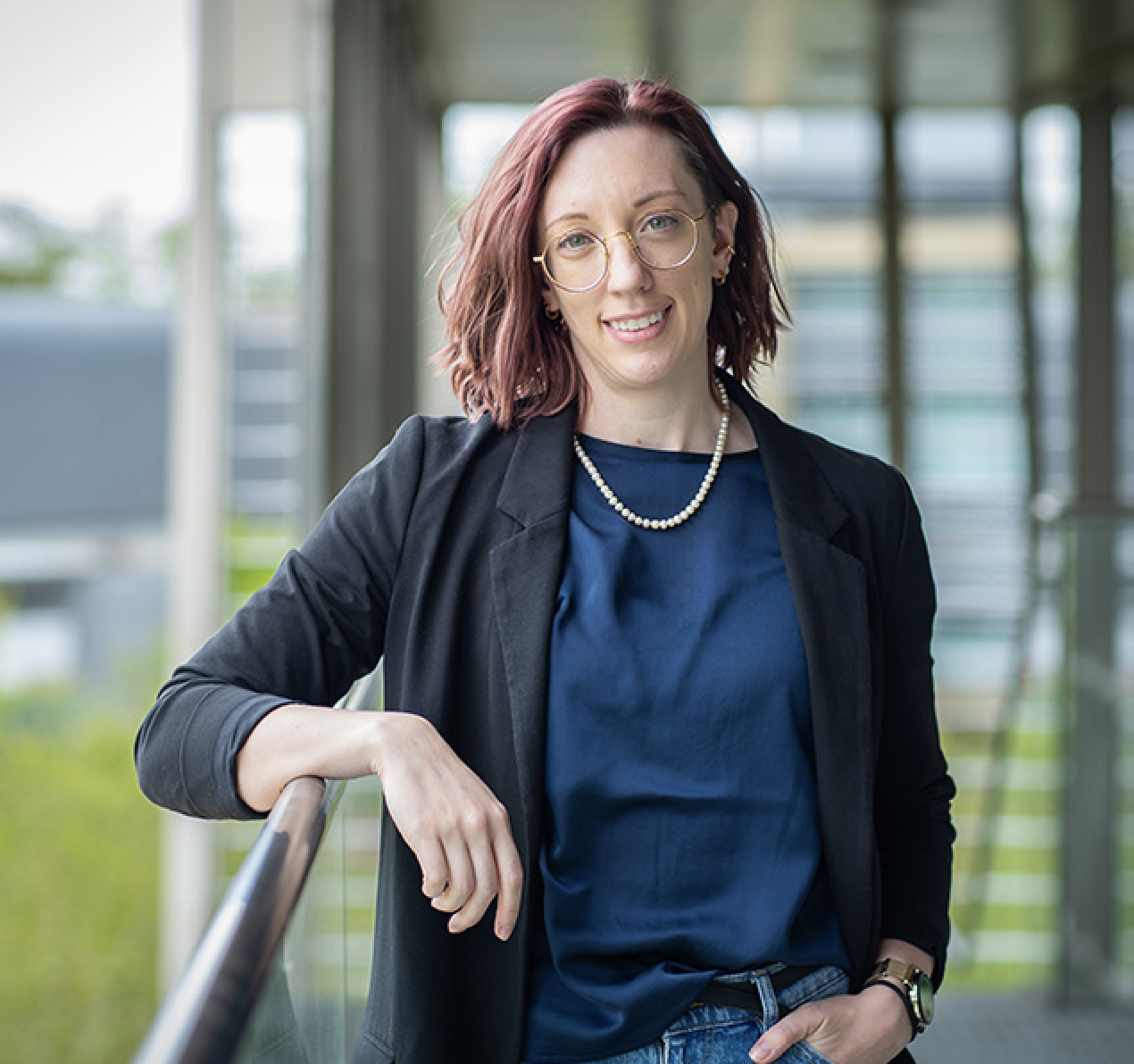
Mallory Freeberg, PhD, is the Human Genomics Team Leader at EMBL’s European Bioinformatics Institute (EMBL-EBI). She directs major genomic variation resources, including the Ensembl Variant Effect Predictor (VEP) tool, human variation interpretation platforms (such as DECIPHER and Gene2Phenotype), and the European Genome-phenome Archive (EGA). Mallory’s career is dedicated to promoting the responsible and standardized sharing of FAIR human clinical and omics data. She actively guides international data harmonization frameworks and serves as Co-Lead of the Global Alliance for Genomics and Health (GA4GH) Implementation Forum, facilitating interoperability between clinical and research domains. She earned her PhD in Bioinformatics from the University of Michigan.
Guy Cochrane
Global BioData Coalition (GBC)
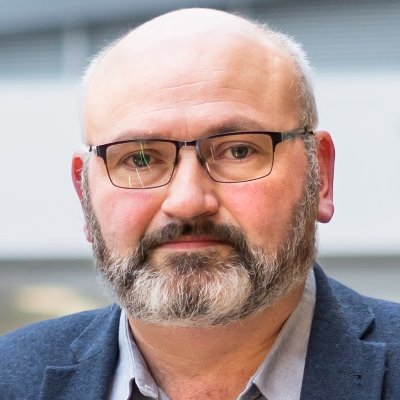
Guy Cochrane, PhD, is the Scientific Head of the Global BioData Coalition (GBC) and a faculty member at EMBL-EBI. He works internationally to unite life science and biomedical funding organizations around long-term sustainability models for core data infrastructure. Guy previously served as the Head of the European Nucleotide Archive (ENA) and led critical pandemic-response infrastructure as a leader of the European COVID-19 Data Platform. His long-standing advocacy for open data encompasses policy development for access and benefit sharing, international metadata standards development, and leadership within the International Nucleotide Sequence Database Collaboration (INSDC).
Sam Halabi
Georgetown University
Sam Halabi, JD, MPhil, is the Bette Jacobs Endowed Professor in Georgetown University’s Department of Health Management and Policy and directs the Center for Transformational Health Law at the O’Neill Institute for National and Global Health Law. His research focuses on the law and ethics of pandemic preparedness, global vaccine deployment, and the complexities of international biomedical data sharing. He has authored over 100 manuscripts and five books covering data sharing, global health security, and liability in emergency public health responses. He regularly advises or has advised the World Health Organization (WHO), the World Bank, and the COVAX Facility, and is a member of the WHO’s Working Group on Regulatory Approaches to AI and Health. He holds a JD from Harvard University and an MPhil from the University of Oxford.
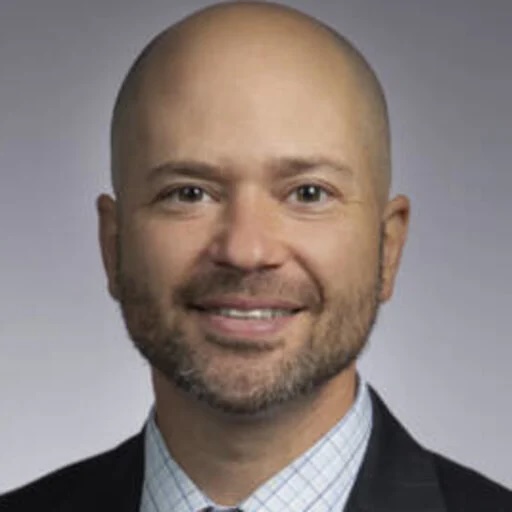
MODERATOR: Mónica Muñoz Torres
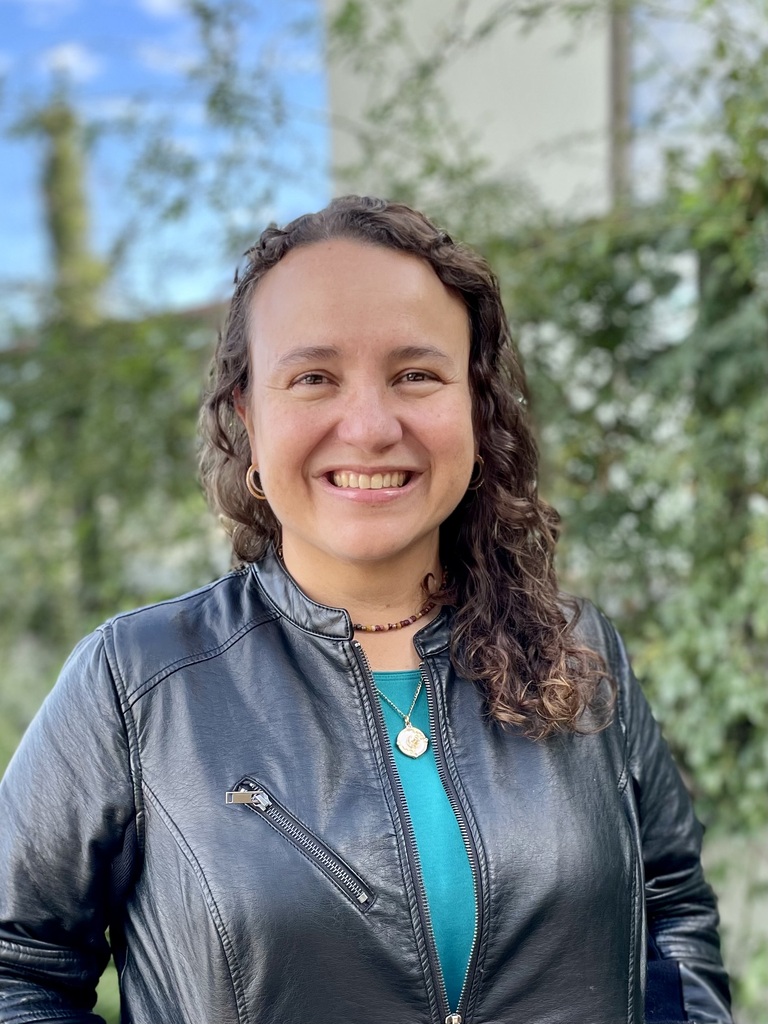
Dr. Muñoz Torres is an Associate Professor at the University of Colorado Anschutz. Her work focuses on the critical challenge of developing the socio-technical foundations needed to realize the promise of artificial intelligence in biomedical sciences. Her expertise includes genomics, biocuration, knowledge representation, and data harmonization. She leads the NIH-funded Bridge to Artificial Intelligence (Bridge2AI)’s team focused on Standards, Practices, and Quality Assessment. She is also Co-Lead of the Clinical & Phenotypic Data Capture Work Stream of the Global Alliance for Genomics and Health (GA4GH).
Panel 2: Open Source in the Age of AI
Open-source software has been a key part of the bioinformatics landscape for decades, enabling large-scale collaboration and supporting reproducible science. The emergence of generative AI represents a fundamental shift in how code is authored, maintained, and shared. This panel will examine the “elephant in the room”: is generative AI a powerful advantage for open-source communities, or a threat to their long-term health, or both? We will explore how AI tools—which can generate thousands of lines of code in seconds—challenge our notions of contribution, reuse, and the value of human-authored frameworks.
While AI makes it easier than ever to code solutions from scratch, it raises critical questions about the sustainability of existing projects and the scientific accuracy of machine-generated results. As the difficult part of software development shifts from writing code to verifying it for scientific integrity, our communities and the way they operate must evolve. From assessing pull requests submitted by AI agents to debating the merits of bans on AI-generated submissions, the open-source community is at a crossroads in defining how humans and AI agents can best work together.
This panel will bring together a variety of perspectives to discuss topics including: Reuse, Attribution and Accountability, Licensing, Sustainability, and the Future of Open Data.
Panelists
Aida Miro-Herrans
University of Florida
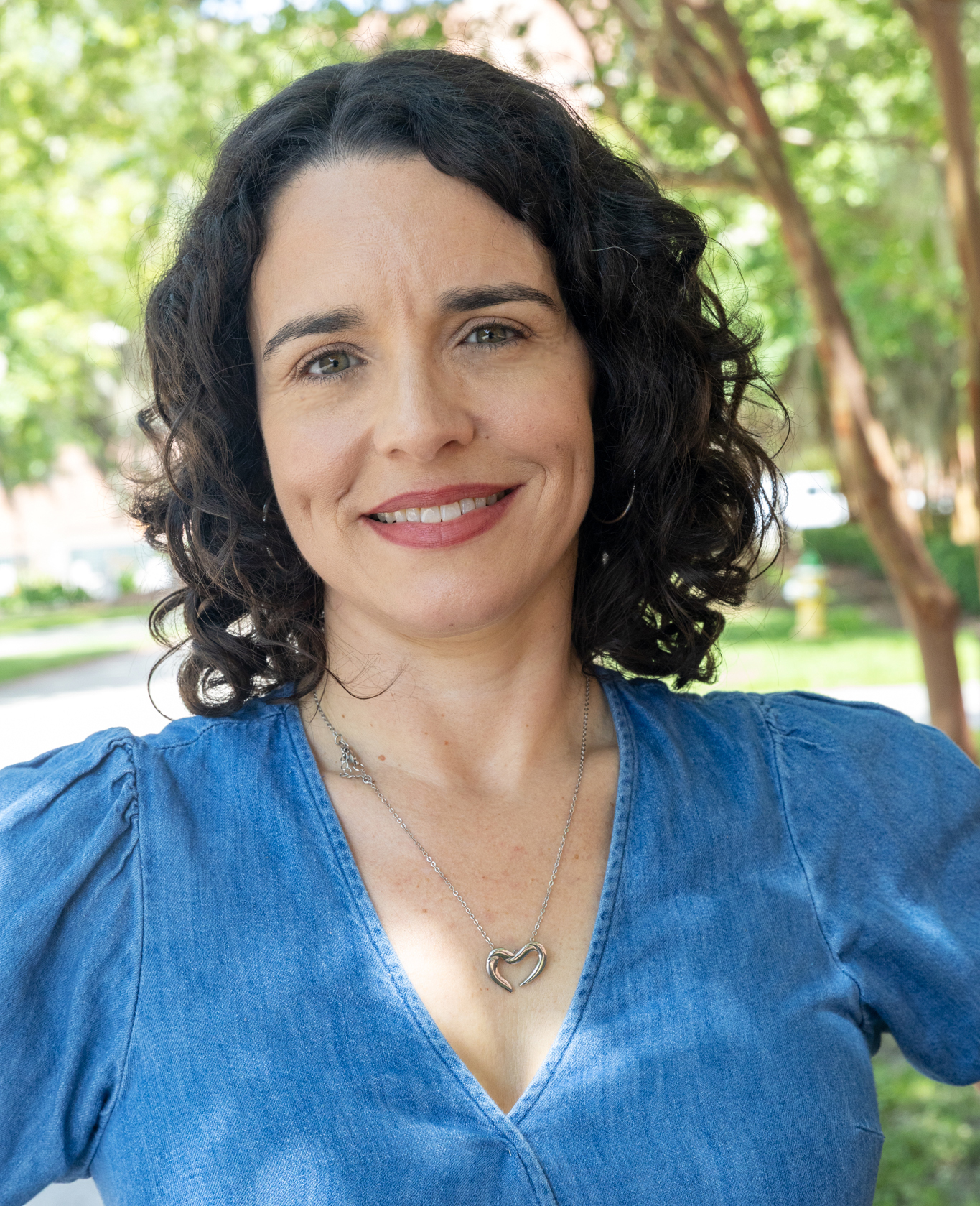
Aida Miro-Herrans is the Bioinformatics Librarian at the University of Florida Libraries, where she focuses on supporting open science, open education, and instruction in bioinformatics methods. Her current work investigates the intersection of artificial intelligence and life science education, specifically exploring how generative AI tools can optimize student learning. Her upcoming presentation at BOSC 2026 highlights a specialized workshop design that empowers life science instructors to leverage AI chatbots to craft active learning activities built entirely on open-source software and open-access datasets.
Nahid Zeinali
California Medical Innovations Institute
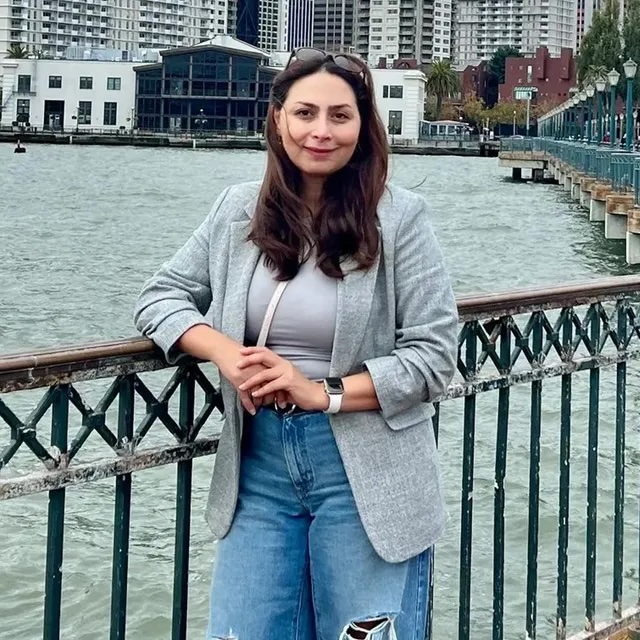
Nahid Zeinali, PhD, is an AI Research Scientist at the California Medical Innovations Institute (CalMI2) and a core team member at the FAIR Data Innovations Hub (FAIRHub). She specializes in natural language processing, deep learning, and artificial intelligence architectures tailored for healthcare and biomedical data. She completed her PhD in Informatics at the University of Iowa in 2025, where her research focused on turning complex multi-modal data into deployable, trustworthy digital biomarkers and healthcare solutions. At CalMI2, her work bridges advanced machine learning methods with open data frameworks to build interoperable, AI-driven medical products.
Alex Bateman
EMBL-EBI

Alex Bateman, PhD, is a Senior Team Leader for Protein Sequence Resources at EMBL-EBI. He serves as a Principal Investigator for the UniProt consortium and has broad oversight over protein and non-coding RNA databases, including RNAcentral. Before joining EMBL-EBI in 2012, Alex managed several of the community’s most widely utilized biological resources at the Wellcome Sanger Institute, including Pfam and Rfam. He has driven open-source data standards as a former Chairman of the International Society for Biocuration (ISB) Executive Committee, and has served as the Executive Editor for Bioinformatics and the Editor of Nucleic Acids Research Database Issue.
Eric Green
Illumina
Eric Green, MD, PhD, is the Chief Medical Officer at Illumina and a legendary figure in the history of genomics. He spent over two decades directing a premier research program at the National Human Genome Research Institute (NHGRI) at the U.S. National Institutes of Health, where he played a start-to-finish role in the historic Human Genome Project and founded the NIH Intramural Sequencing Center. He subsequently served as the Director of NHGRI for over 15 years, acting as a primary driver of the integration of genomics into clinical care and public health globally. An elected member of the National Academy of Medicine, he currently focuses on guiding global efforts to broaden access to precision medicine, ensure diversity in genomic data, and navigate the clinical applications of genomics in an era increasingly defined by advanced computational and AI tools.

MODERATOR: Jason Williams
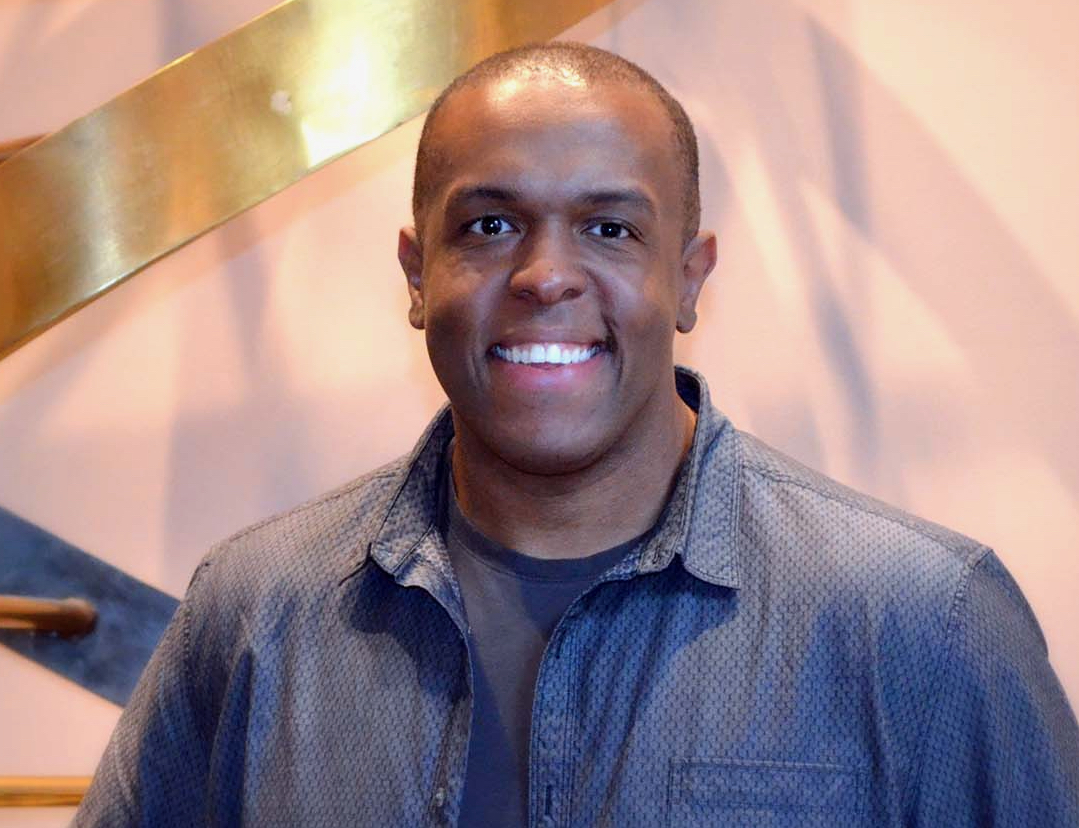
Jason Williams, is the Assistant Director of Cold Spring Harbor’s Dolan DNA Learning Center. He was elected an AAAS Fellow in 2026. In 2025, he won the Elizabeth W. Jones Award for Excellence in Education. Mr. Williams has been instrumental in bringing the latest technologies and teaching approaches for working with DNA into classrooms around the world through dedicated hands-on programs for students and teachers. He develops national and international biology education and professional development programs. In addition to his work at the DNALC, Williams is the founder of LifeSciTrainers.org, a global initiative promoting a community of practice among professionals who develop short-format training for life scientists. He is also the Lead Investigator of the NSF Arecibo Center for STEM Education, Computing, and Community Engagement.