About the OBF

The Open Bioinformatics Foundation (OBF) is a non-profit, volunteer-run group that promotes open source software development and Open Science within the biological research community. Membership in the OBF is free and open to anyone who wants to help promote open source or open science in a biological field.

OBF runs the annual Bioinformatics Open Source Conference (BOSC).

BOSC 2025 took place July 21-22, 2025, in Liverpool, UK (as part of ISMB/ECCB 2025). BOSC 2026 will be part of ISMB 2026 in Washington, DC.

Learn More

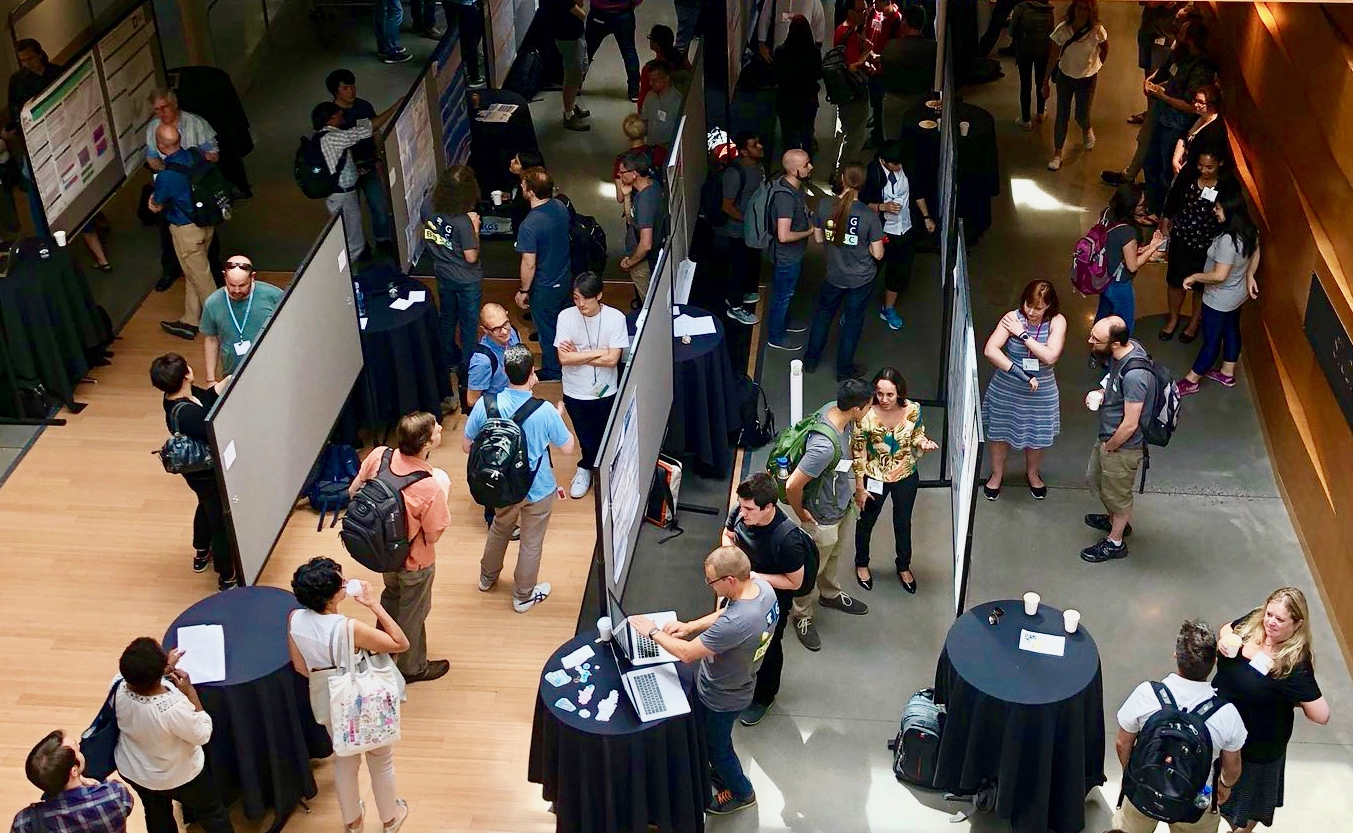
Poster session at GCCBOSC2018

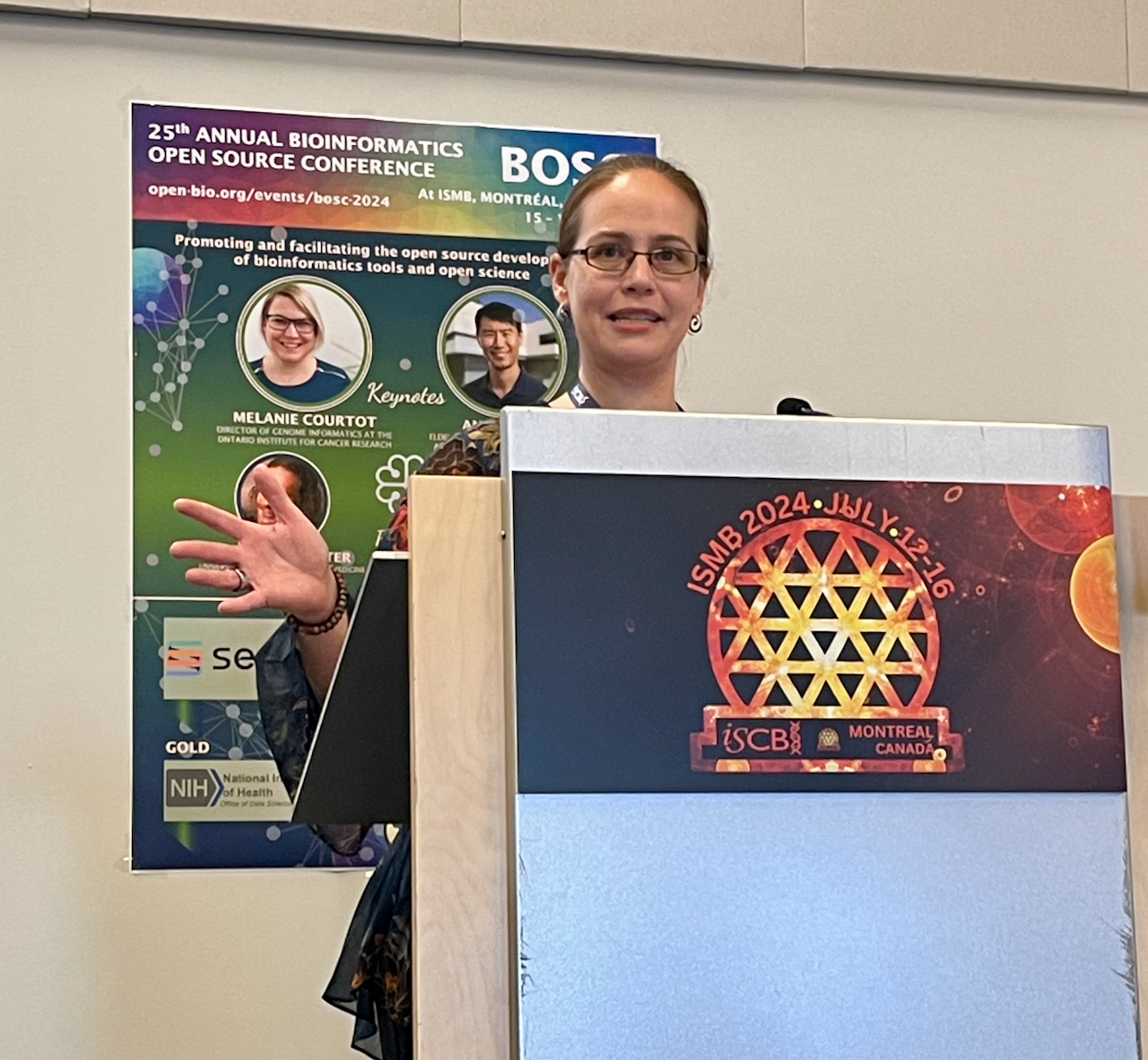
OBF Treasurer Heather Wiencko introducing OBF at BOSC 2024

OBF Event Awards

The OBF Event Fellowship program aims to increase diverse participation at events promoting open source bioinformatics software development and open science in the biological research community.

Apply

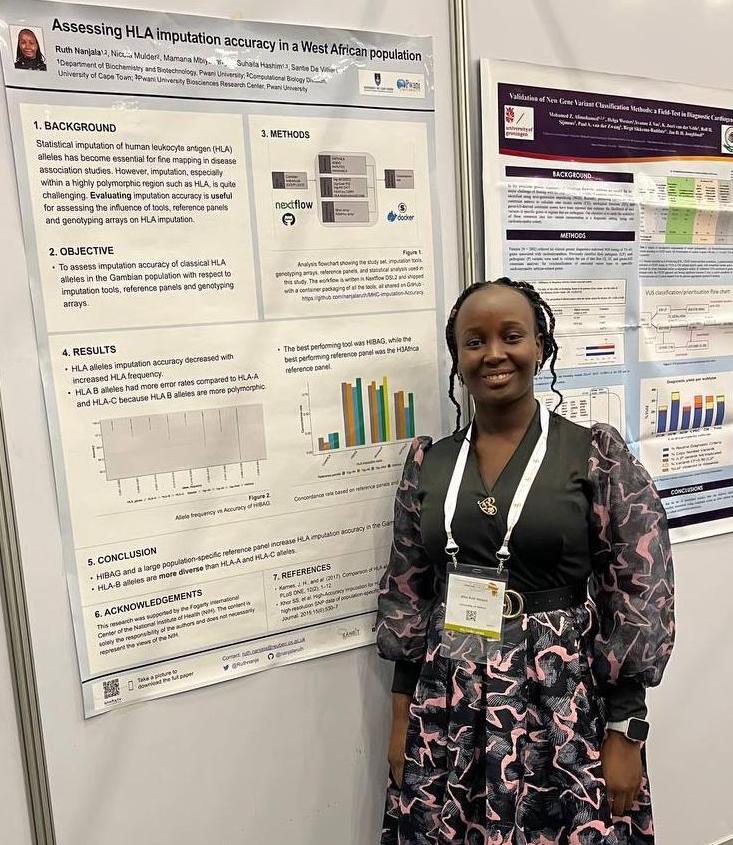
Ruth Nanjala, an OBF Event Award winner, by her poster

Supercharge your open project with leadership training

This post is co-authored by Bérénice Batut, Malvika Sharan, Emmy Tsang, and Yo Yehudi.

In 2016, Mozilla launched a program to help grow the skills of people interested in working openly and empower a generation of open-inspired leaders. The program has been through several stages of evolution, from early Working Open Workshops, and eventually to regular twice-yearly cohorts, mentoring project leads from all around the globe. Projects spanned a broad number of domains, but included a large number of research/science and tech-oriented projects, including PREreview, an initiative to get people involved in scientific preprint journal clubs; Outbreak science, a nonprofit using technology to support disease outbreaks; MBac, a computer vision tool for bacterial motility assays; and DuraCloud, an open-source digital preservation storage service.

[Read More]

Biopython 1.75 released

Dear Biopythoneers,

Biopython 1.75 has been released and is available from our website and PyPI.

This release of Biopython supports Python 2.7, 3.5, 3.6, 3.7 and is expected to work on the soon to be released Python 3.8. It has also been tested on PyPy2.7.13 v7.1.1 and PyPy3.6.1 v7.1.1-beta0.

Note we intend to drop Python 2.7 support in early 2020.

The restriction enzyme list in Bio.Restriction has been updated to the August 2019 release of REBASE.

[Read More]

Computational biology without borders

This is a guest blog post from Aziz Khan, who was supported by the ongoing Open Bioinformatics Foundation travel fellowship program to attend the ISMB/ECCB and BOSC 2019 meeting in Basel, July 2019. The OBF’s Travel Fellowship program aimed at increasing diverse participation at events promoting open source bioinformatics software development and open science in the biological research community. Find more information here.


Computational tools and software are now becoming the core of scientific discovery, and making it open source and sharing it freely with the community helps to take scientific discoveries to the next level. We live in an era where international and interdisciplinary collaborations become very central to answer big scientific questions. Given science is becoming more collaborative and data-intensive, we need intelligent and robust computational algorithms to help us to understand and interpret such big-data.

[Read More]

OBF Travel Fellowship: August 2019 awards

A record number of people applied for the latest round of the OBF Travel Fellowship, which closed on August 15, 2019. Out of this great set of applicants, we offered travel awards to three who epitomize the goal of the awards: to promote diversity in the world of open source bioinformatics / open science.

The awardees are Arunav Konwar, Fernanda Troyner and Nicolás Palopoli.

Arunav has contributed to open source projects including Deep Learning Indaba (an African Machine Learning community), Wikimedia, and Metafluidics. He will give a talk and lead a workshop at the Global Community Bio Summit 3.0, which aims to democratize biotechnology by building an inclusive global network of people in the life sciences.

[Read More]

5 tips to promote 'water cooler effects' at informal discussion sessions

The Open Bioinformatics Foundation (OBF) sponsors a Travel Fellowship program aimed at increasing diverse participation at events promoting open source bioinformatics software development and open science in the biological research community. Malvika’s participation at Bioinformatics Open Source Conference 2019 was supported by this fellowship granted to her in January 2019. Find more information here.

The phrase ‘water cooler effect’ is derived from informal gatherings and connections made around water coolers (or vending machines these days!) at the workplace or other formal situations. Such unplanned encounters lead to genuine connections between people resulting in meaningful and productive collaborations. Many research organizations value the importance of such serendipitous interactions, and actively promote them in their work-culture. Conference organizers also recognize its effectiveness and design their program with longer coffee breaks, dedicated slots for informal discussions and designated venues for breakout sessions.

[Read More]

Dos and Don’ts for computational training

Thanks to OBF support with a travel grant, I was able to attend the first European CarpentryConnect event in Manchester CCMcr19 organized by The Software Sustainability Institute.

Colourful Manchester days post Pride weekend
The Carpentries is a global community with a mission to teach essential data and foundational computational skills to researchers for conducting efficient, open, and reproducible research. The community includes instructors, trainers, maintainers and many more helpers and supporters on a global scale.

[Read More]

Cordon Bleu Bioinformatics

I attended the Bioinformatics Open Source Conference ( BOSC 2019) organized this year along with ISMB/ECCB in Basel, Switzerland from July 21st-25th. BOSC 2019 was in multiple ways a lot of ‘firsts’ for me. I was attending my first ISMB/ECCB. It also happened to be my first time in Europe. It was the first time I was putting faces and voices to a lot of names. Like in most of the conferences these days, I met a lot of Twitter-verse friends for the very first time. And above all, this was my first ever BOSC.  I was funded in part by the Open Bioinformatics Foundation’s Travel Award and ISMB/ECCB’s Travel Fellowship. My travel and the learnings I summarize here would have been impossible without both.

[Read More]

Malvika Sharan elected to OBF Board

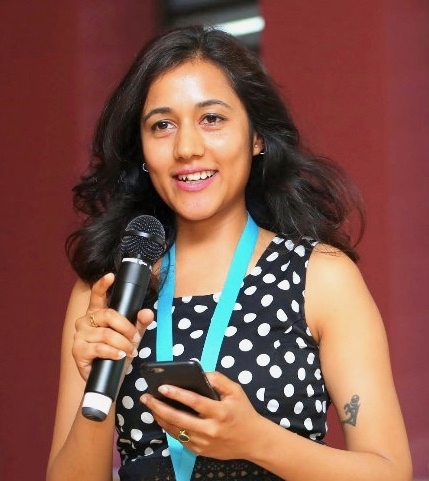
Photo of Malvika Sharan At the OBF’s July 2019 public Board meeting (held at BOSC 2019), Malvika Sharan was unanimously elected as a new at-large Board member. Malvika, who earned a PhD in bioinformatics at the University of Würzburg, is a community outreach coordinator at the European Molecular Biology Laboratory (EMBL), Heidelberg. She is passionate about promoting the inclusion of historically underrepresented groups in bioinformatics and STEM in general. Malvika recently won a fellowship from the Software Sustainability Institute to support her research into identifying and developing effective training strategies in low-income research environments (limited resources, lack of funding, etc.). She was also a recipient of an OBF Travel Fellowship that helped defray her cost of attending BOSC.

[Read More]

OBF Public Board Meeting (July 2019)

On July 25, 2019, the OBF held a public Board meeting in Basel, Switzerland. Organized as a Birds of a Feather session at BOSC 2019, the meeting was open to all attendees at ISMB. All but one of the current Board members were present (Secretary Chris Fields called in), as well as a number of ISMB/BOSC attendees. At the meeting, Malvika Sharan was elected as a new Board member. Other topics of discussion included the need for a Code of Conduct that applies to member projects as well as covering the yearly BOSC meeting; the policy for accepting new member projects; revisiting the OBF’s mission statement; and considering whether the OBF should issue position statements. The meeting minutes are here. There will be another public Board meeting near the end of 2019 to vote on Board members whose terms are ending.

Next OBF Travel Fellowship Application Deadline: August 15, 2019

The OBF Travel Fellowship program, established in 2016, aims to increase diverse participation at events related to open source bioinformatics. Applications are reviewed three times a year. Applicants may apply for attending any event that develops or promotes open source development and open science in the biological research community. It doesn’t have to be an OBF-related event, and it can be one that you already attended in the recent past. For example, if you attended BOSC 2019 and your travel expenses were not covered by your employer or university, you could apply for a travel fellowship to help defray those expenses (up to a maximum of $1000, in most cases). Travel fellowship awardees are required to write a blog post about their experience attending the event; you can see some past such posts on our blog.

[Read More]