About the OBF

The Open Bioinformatics Foundation (OBF) is a non-profit, volunteer-run group that promotes open source software development and Open Science within the biological research community. Membership in the OBF is free and open to anyone who wants to help promote open source or open science in a biological field.

OBF runs the annual Bioinformatics Open Source Conference (BOSC).

BOSC 2025 took place July 21-22, 2025, in Liverpool, UK (as part of ISMB/ECCB 2025). BOSC 2026 will be part of ISMB 2026 in Washington, DC.

Learn More

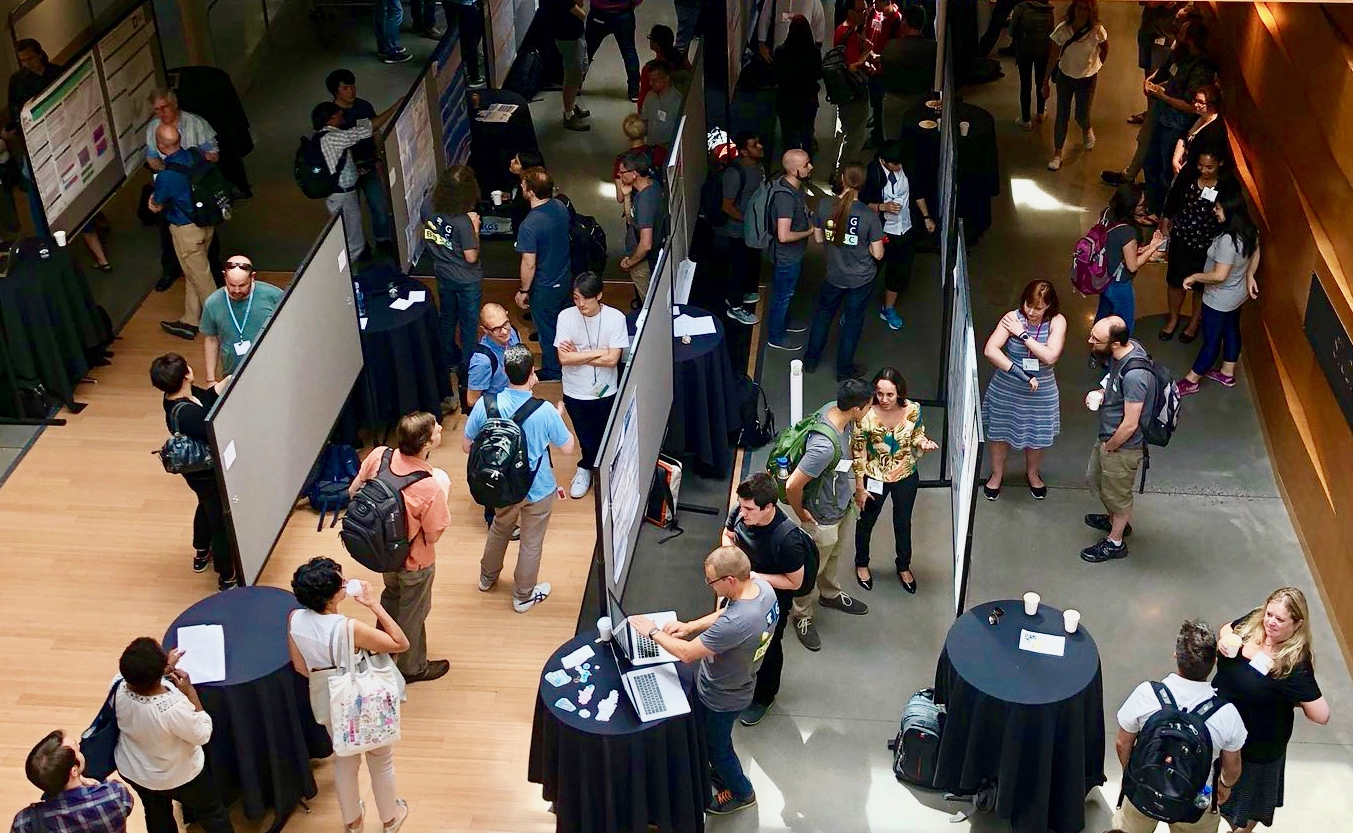
Poster session at GCCBOSC2018

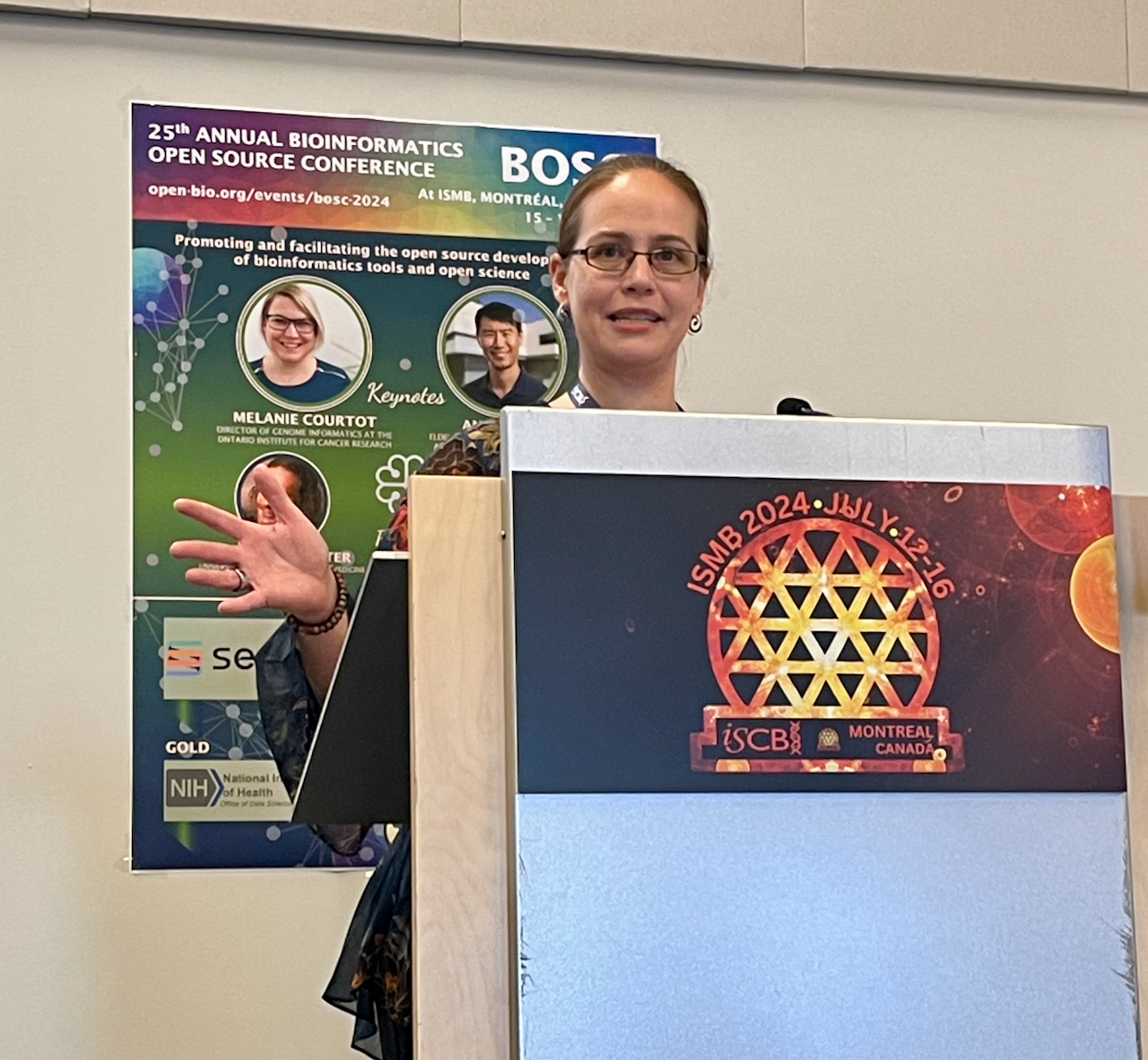
OBF Treasurer Heather Wiencko introducing OBF at BOSC 2024

OBF Event Awards

The OBF Event Fellowship program aims to increase diverse participation at events promoting open source bioinformatics software development and open science in the biological research community.

Apply

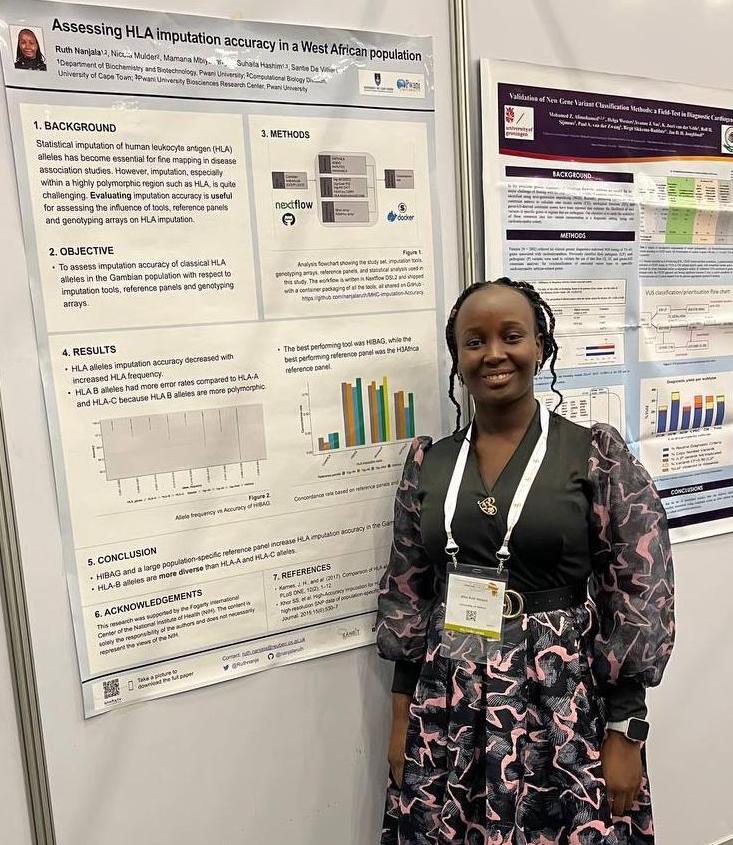
Ruth Nanjala, an OBF Event Award winner, by her poster

Bioinformatics Open Source Conference (BOSC 2011) Call for Abstracts

[BOSC Logo]Call for Abstracts for the 12th Annual Bioinformatics Open Source Conference ( BOSC 2011), an ISMB 2011 Special Interest Group (SIG).

Dates: July 15-16, 2011 Location: Vienna, Austria Web site: /wiki/BOSC_2011 Email: bosc@open-bio.org BOSC announcements mailing list: http://lists.open-bio.org/mailman/listinfo/bosc-announce

Important Dates:

  • April 18, 2011: Deadline for submitting abstracts to BOSC 2011
  • May 9, 2011: Notifications of accepted abstracts emailed to corresponding authors
  • July 13-14, 2011: Codefest 2011 programming session
  • July 15-16, 2011: BOSC 2011
  • July 17-19, 2011: ISMB 2011

The Bioinformatics Open Source Conference (BOSC) is sponsored by the Open Bioinformatics Foundation (O|B|F), a non-profit group dedicated to promoting the practice and philosophy of Open Source software development within the biological research community. To be considered for acceptance, software systems representing the central topic in a presentation submitted to BOSC must be licensed with a recognized Open Source License, and be freely available for download in source code form.

[Read More]

Biopython 1.56 released

The Biopython team is pleased to release Biopython 1.56, almost exactly three months after our last stable release ( Biopython 1.55).

The Bio.SeqIO module has been updated to support protein EMBL files (used for the patents database), IMGT files (a variant of the EMBL file format, with help from Uri Laserson), and UniProt XML files (thanks to Andrea Pierleoni). Also the SeqFeature object gained some new methods, and the Bio.Seq translation function can now be used with an arbitrary genetic code.

[Read More]

Biopython dropping Python 2.4 Support?

This is a reminder that the forthcoming Biopython 1.56 release is planned to be our last release to support Python 2.4.

Looking back, we supported Python 2.3 for about six years - it was released July 2003, and Biopython 1.50 released in April 2009 was the last to support it. Similarly, Python 2.4 was released six years ago (November 2004).

Dropping Python 2.4 support will allow use to assume standard library modules like the ElementTree XML parser and SQLite 3 support will be available. There are also several new language features in Python 2.5+ which will be useful, and it should make supporting Python 3 a little easier as well.

[Read More]

BioRuby 1.4.1 released

We are pleased to announce the release of BioRuby 1.4.1. This new release fixes bugs existed in 1.4.0 and new features are added.

Here is a brief summary of changes.

**

[Read More]

Minutes:2010 ConfCall

Agenda

  1. Old business
  2. New business
    1. BOSC
      • BOSC 2010 (Kam) - held with ISMB2010 in Boston, MA, USA
        • Money spent/made attendee number, any other feedback
      • BOSC 2011 - with ISMB 2011 Vienna, Austria
        • 2011 Organizing Committee chairs
        • Plans for the conference
    2. Treasurer’s 2010 report (ChrisD)
    3. BoD membership and succession.
      • Kam Dahlquist is resigning from the BoD. Jason Stajich wants to resign in the near future, too.
      • Nominations
      • Plan to elect new BoD members and rotate officers.
    4. OBF Hardware & Sysadmin report (JasonS and ChrisD)
      • Domain name registrar and registration payment
    5. Additional topics proposed by community

Minutes from the meeting

Venue: held by conference call, scheduled for 5pm EDT (21:00 UTC).

[Read More]

Biopython 1.55 released

The Biopython team is proud to announce Biopython 1.55, a new stable release, about three months after our last stable release ( Biopython 1.54) and the beta release earlier in August.

A lot of work has been towards Python 3 support (via the 2to3 script), but unless we broke something you shouldn’t notice any changes ;)

In terms of new features, the most noticeable highlight is that the command line tool application wrapper classes are now executable, which should make it much easier to call external tools. This is described in the updated documentation.

[Read More]

BioRuby paper published

After 10 years of development, the BioRuby paper is finally published in the Bioinformatics journal.  The article is open access, so please take a look.

BioRuby: Bioinformatics software for the Ruby programming language Naohisa Goto, Pjotr Prins, Mitsuteru Nakao, Raoul Bonnal, Jan Aerts and Toshiaki Katayama Bioinformatics 2010; doi: 10.1093/bioinformatics/btq475

Biopython 1.55 beta released

We’ve just released a beta of Biopython 1.55 for user testing.

Since Biopython 1.54 was released three months ago, we’ve made a good start on work for Python 3 support (via the 2to3 script), but as a side effect of this we’ve had to update quite a lot of the older parts of the library. Although the unit tests are all fine, there is a small but real chance that we’ve accidentally broken things - which is why we’re doing this beta release.

[Read More]

Biopython 1.54 released

The Biopython team is proud to announce Biopython 1.54, a new stable release of the Biopython library. Biopython 1.54 comes five months after our last release and brings new features, tweaks to some established functions and the usual collection of bug fixes.

This is the first stable release to feature the new Bio.Phylo module which can be used to read, write and take data from phylogenetic trees in Newick, Nexus and PhyloXML formats. The module is the result of Eric Talevich’s Google Summer of Code project which was supported by The National Evolutionary Synthesis Center (NESCent).

[Read More]