In the March 2003 issue of Genome Technology, “Opposite Strand” contributor Gerald Barnett’s insightful article on “free choice for open source” is blighted by a gross misattribution. He writes that Open Bioinformatics Foundation has proposed that “all federally funded bioinformatics software should be released as open source.” In fact, the O|B|F has explicitly rejected this extreme and inflexible view, as specified in our January 2002 statement on public funding & open source, which states:
[Read More]About the OBF
The Open Bioinformatics Foundation (OBF) is a non-profit, volunteer-run group that promotes open source software development and Open Science within the biological research community. Membership in the OBF is free and open to anyone who wants to help promote open source or open science in a biological field.
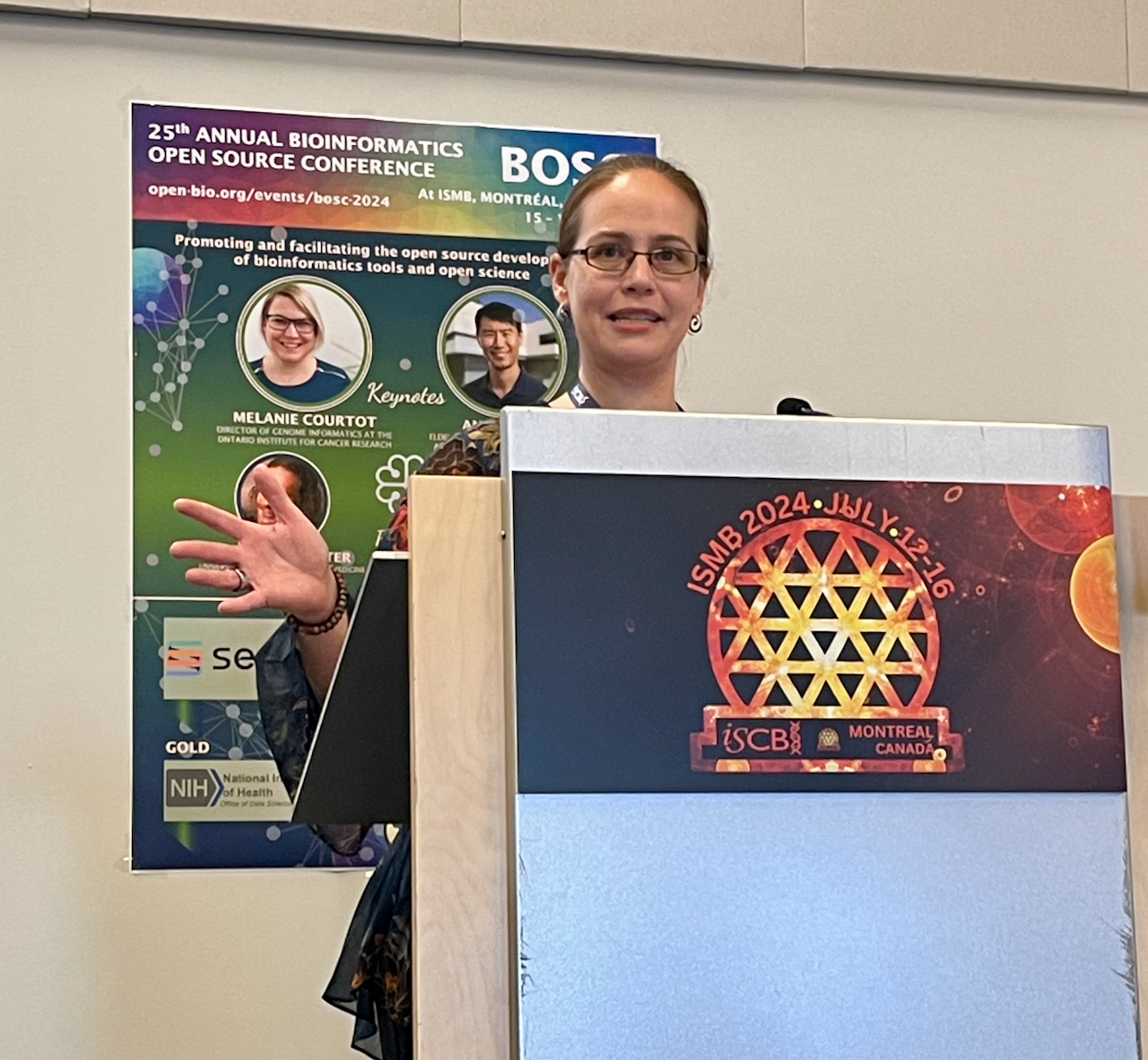
OBF runs the annual Bioinformatics Open Source Conference (BOSC).
BOSC 2025 took place July 21-22, 2025, in Liverpool, UK (as part of ISMB/ECCB 2025). BOSC 2026 will be part of ISMB 2026 in Washington, DC.
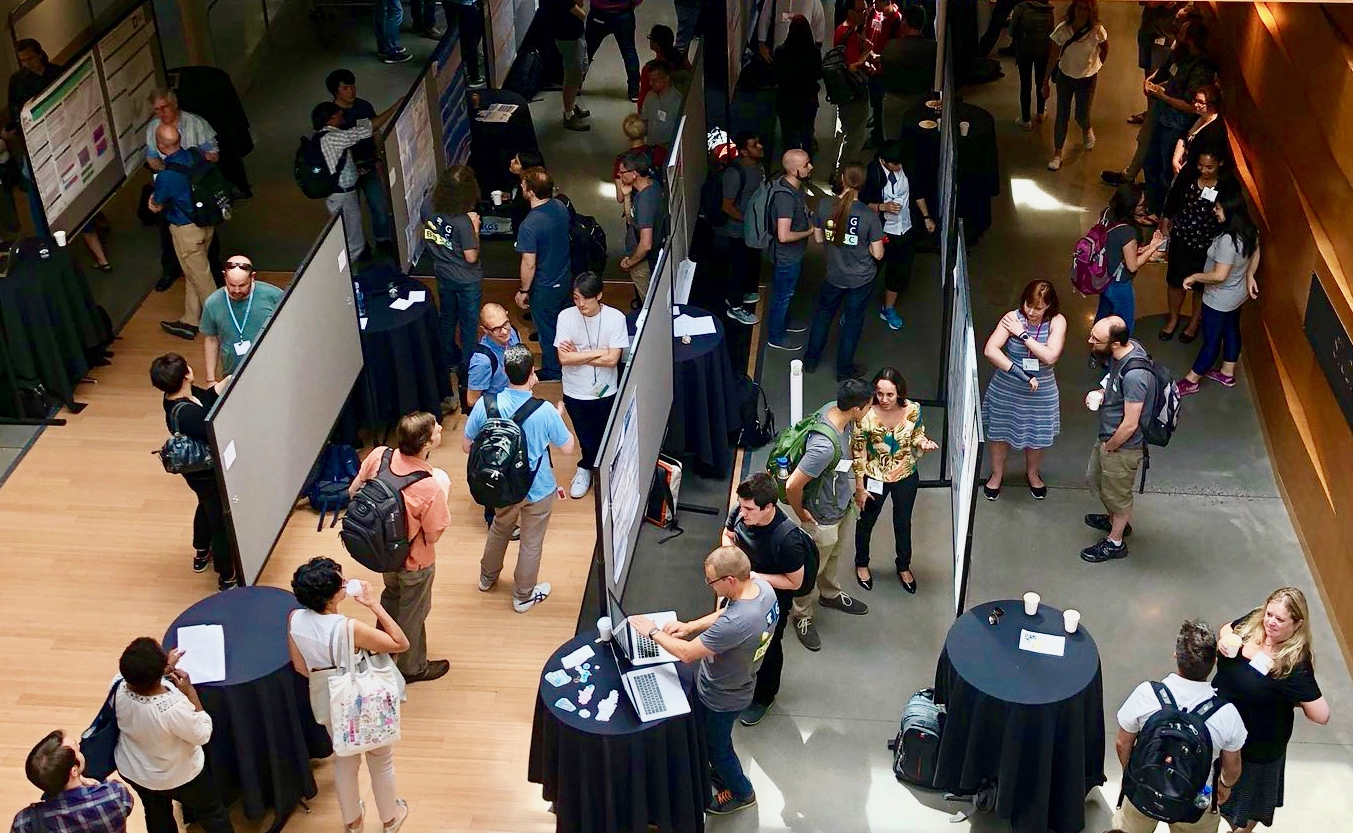
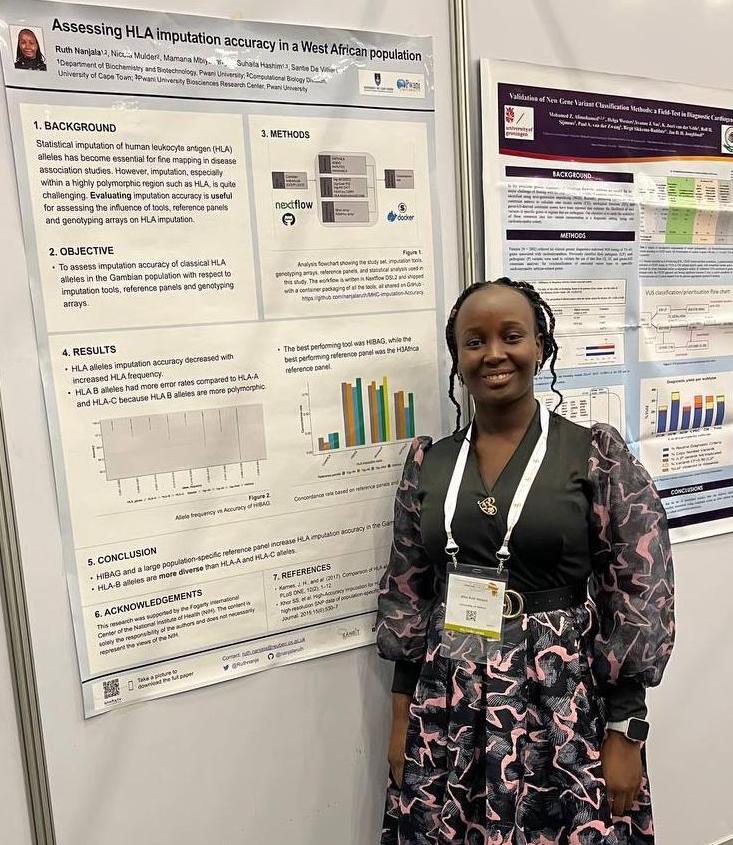
OBF Event Awards
The OBF Event Fellowship program aims to increase diverse participation at events promoting open source bioinformatics software development and open science in the biological research community.
New mailing list Bioped-l
A new mailing list has been created for discussion of software system for genotypes, pedigrees, and linkage data at /mailman/listinfo/bioped-l
This is intended to build off the initial work done in Perl for bioperl-pedigree but is applicable to all who want to contribute to the design or implementation in any language. Database persistence and pedigree rendering are initial areas that will be addressed.
Bioperl v1.2.1 RC1 available for testing
A release candidate for an eventual Bioperl 1.2.1 release is online at: http://bioperl.org/ftp/birney/bioperl-1.2.1-rc1.tar.gz
We need people to install and test this package on as many systems and architectures as possible.
NCICB reviews two LSID Resolution proposals
Members of the caCORE team at the NCICB have been discussing if and how best to use LSIDs. Attached is an analysis of the two LSID Resolution proposals. The document also includes brief descriptions of two use cases that seem appropriate to us. We would be very interested in any responses to this analysis.
The document is also available at: ftp://ftp1.nci.nih.gov/pub/cacore/caBIO/lsid/lsid_memo.doc
Joshua Phillips SAIC Advanced Information Technology Center, Annapolis, MD NCI Center for Bioinformatics, Gaithersburg, MD Phone: (301) 402-7087
Technical Report on Semantic Standards
Andrew Farmer writes:
Here’s the current revision of my writeup on semantic standards; the only major difference between this and the version I sent out earlier is the addition of a section covering DAML-S, the extension of DAML to develop an upper ontology for describing services (complementary to WSDL).
MOBY PROJECT: TECHNICAL REPORT ON SEMANTIC STANDARDS
Date: 3/12/03 Author: Andrew Farmer Version: 1.1
This is intended to give a high-level overview of the work that others are doing in the area of “semantic” representation standards for the web.
[Read More]Moby Messaging Layer Technical Report Updated
MOBY PROJECT: TECHNICAL REPORT ON WEB MESSAGING LAYER
Date: March 9, 2003 Author: Lincoln Stein Version: 1.0
This report concerns the messaging layer of the Moby project, that point at which semantic information is exchanged between the data consumer (the biologist or client process) and the data provider (the model organism system database).
Full report can be read at: http://open-bio.org/pipermail/moby-l/2003-March/000433.html
Ontology overhaul: migration to 1.2 branch imminent
This is the last call for people to test drive and/or criticize the Bio::Ontology & Bio::OntologyIO re-design and implementation.
The interfaces and modules to look at comprise of Bio::Ontology::OntologyI, Bio::Ontology::TermI, and Bio::OntologyIO. If you care about implementations (as Aaron says most people do rather than bothering with interfaces), check out Bio::Ontology::Ontology, Bio::Ontology::Term, and Bio::OntologyIO.
[Read More]Prototype of a new biopython.org website
Brad has been working hard on trying to put together a new biopython.org page that incorporates the open-bio news server and the look and feel of the upcoming open-bio page.
[Read More]
Working on the Biopython Website
Brad is working on an update of the Biopython website and is so obsessed with it that he is working on it during his minimal lunch time in which he should be enjoying the nice friendly sunshine of a Georgia friday.
[Read More]
BioPerl List Summary - January 2003
As I seem to be volunteering for more and more BioPerl documentation
jobs recently, I thought I’d pool my resources and recycle some of my
tuits to write a list summary. Expect these to be sporadic and
incomplete; my goal is to highlight important questions, changes,
fixes, and proposals, not recapitulate all list traffic.
[Read More]